Choosing the Best MMA Gym: A Comprehensive Guide
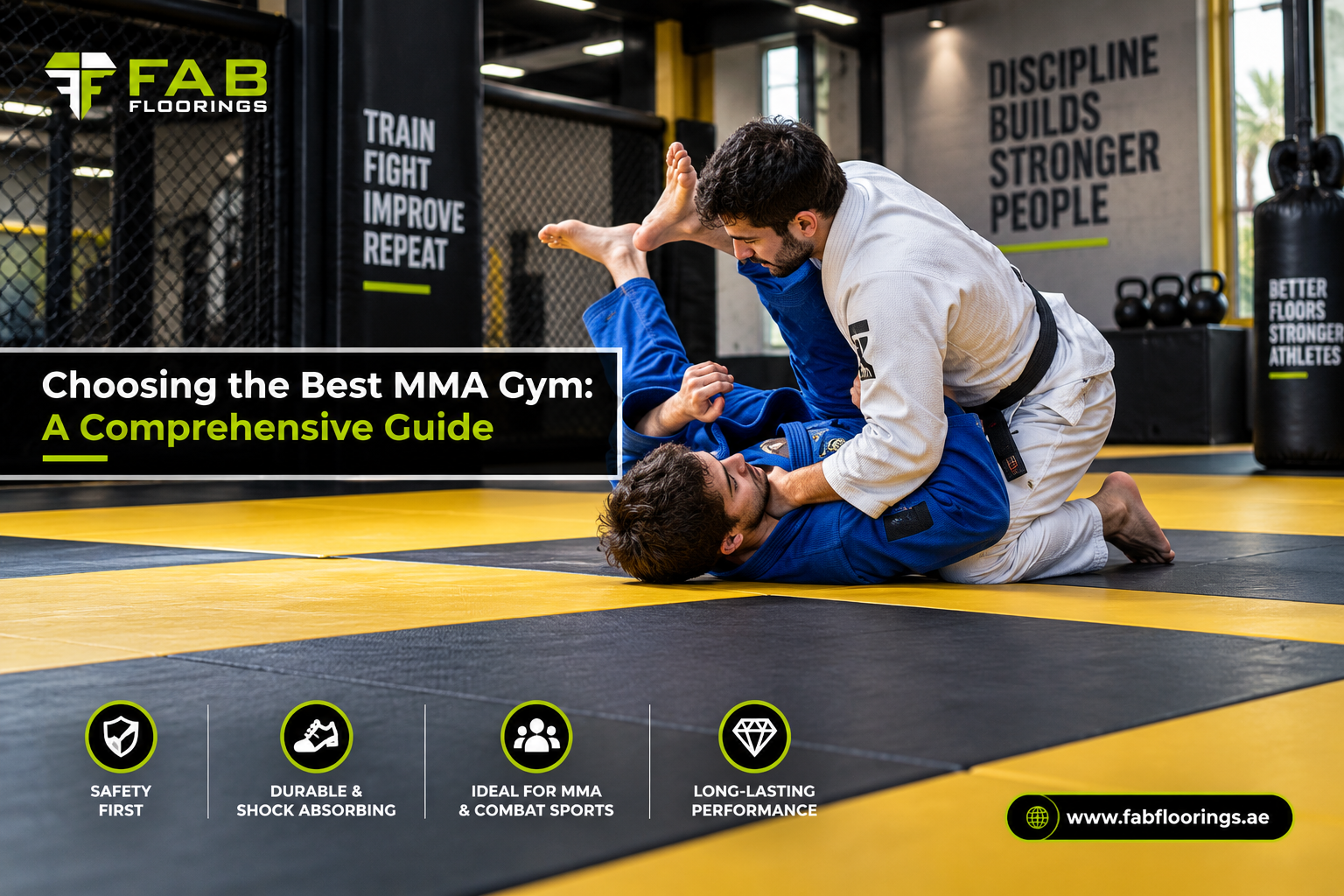
Choosing the right MMA gym can have a major impact on your training experience, progress, and safety. Whether you want to compete, improve your fitness, learn self-defense, or develop skills in mixed martial arts, the right training environment can help you stay consistent and motivated.
An MMA gym should offer more than a few punching bags and training mats. You should consider the quality of coaching, training equipment, safety standards, class structure, cleanliness, gym culture, and whether the facility matches your goals.
1. Start With Your MMA Training Goals
Before visiting an MMA gym, decide what you want to achieve.
Your goal might be:
- MMA competition
- Self-defense
- General fitness
- Weight management
- Strength and conditioning
- Boxing or striking skills
- Brazilian Jiu-Jitsu and grappling
- Building confidence and discipline
A competitive fighter may need advanced coaching, experienced training partners, and regular sparring opportunities. Someone training for fitness may prioritize flexible schedules, beginner-friendly classes, and a supportive environment.
Knowing your goal makes it easier to compare different gyms.
2. Check the Quality of the Training Facility
A good MMA gym should be clean, organized, and properly equipped for different types of training.
Look for:
- Quality MMA or martial arts mats
- Heavy bags
- Speed bags
- Boxing equipment
- Grappling areas
- Strength and conditioning equipment
- Adequate training space
- Changing rooms and showers
- Proper ventilation
- Clean and maintained surfaces
The flooring deserves particular attention because MMA involves takedowns, grappling, ground movements, and repeated impact. Suitable martial arts mats should provide appropriate cushioning, grip, and stability for the activities performed in the space.
3. Evaluate MMA Mats and Flooring
Flooring is one of the most important safety features in an MMA facility.
Regular gym flooring may not provide the cushioning required for repeated falls, takedowns, and ground training. MMA and martial arts areas generally require specialized mats designed for these movements.
When evaluating the flooring, check:
- Shock absorption
- Surface grip
- Cushioning
- Stability
- Joint protection
- Ease of cleaning
- Resistance to regular training wear
- Quality of installation
For mixed-use facilities, different flooring systems may be used in different zones. MMA mats can be used in combat-training areas, while rubber flooring can be suitable for weight and strength-training zones.
4. Research the Coaches
Coaching can make a significant difference in your development.
Look at the coaches' experience, qualifications, teaching style, and background in the disciplines you want to learn.
A strong MMA program may include training in:
- Boxing
- Muay Thai
- Wrestling
- Brazilian Jiu-Jitsu
- Kickboxing
- Strength and conditioning
Do not focus only on a coach's competitive background. A good coach should also be able to explain techniques clearly, correct mistakes, manage different skill levels, and maintain a safe training environment.
5. Consider Class Size
Class size affects how much individual attention you receive.
Very large classes can make it difficult for a coach to monitor every student. Smaller or appropriately managed classes can provide more opportunities for technique correction and personalized guidance.
When visiting a gym, observe whether coaches are actively working with students rather than simply demonstrating exercises from a distance.
6. Look at the Training Schedule
A great MMA gym is not useful if you cannot attend consistently.
Check whether the gym offers classes that fit your schedule. If possible, look for a facility offering different sessions throughout the day.
A well-rounded MMA program may include:
- Beginner classes
- Advanced training
- Striking sessions
- Grappling sessions
- Sparring
- Strength and conditioning
- Open mat sessions
A variety of classes allows you to build different aspects of your MMA skill set.
7. Check Safety Standards
Safety should be a priority in any combat sports facility.
Ask about:
- Protective equipment requirements
- Sparring rules
- First-aid availability
- Coach supervision
- Mat maintenance
- Cleaning procedures
- Beginner orientation
- Training intensity
The gym should have clear rules for controlled sparring and appropriate protective equipment.
The condition of the flooring should also be checked regularly. Damaged, uneven, or poorly maintained mats can create unnecessary safety risks.
8. Observe the Gym Culture
The atmosphere of an MMA gym can strongly influence your training experience.
Visit the gym and observe how coaches and members interact. A good training environment should encourage discipline and improvement without creating unnecessary intimidation.
Look for:
- Respect between training partners
- Helpful coaches
- Clean training areas
- Professional behavior
- Supportive members
- Appropriate sparring intensity
A positive culture can make it easier to stay committed to training over the long term.
9. Compare Location and Accessibility
Location is another practical factor.
If the gym is too far from your home or workplace, attending consistently may become difficult. Consider travel time, parking, public transport, and operating hours.
For regular MMA training, a conveniently located gym can be more valuable than a facility that looks impressive but takes a long time to reach.
10. Compare Membership Pricing and Value
Do not choose an MMA gym based solely on the lowest membership fee.
Compare what is included in the price:
- Number of weekly classes
- Personal training options
- Open gym access
- Specialized classes
- Equipment availability
- Changing facilities
- Additional coaching
- Trial sessions
Also ask about registration fees, equipment charges, contracts, cancellation policies, and other additional costs.
11. Take a Trial Class Before Joining
A trial class can tell you more than a website or social media page.
During your trial, evaluate:
- Coaching quality
- Class structure
- Training intensity
- Member behavior
- Cleanliness
- Equipment
- Flooring and mats
- Overall atmosphere
Pay attention to how beginners are treated. A good gym should help new members learn safely instead of immediately pushing them into advanced training.
12. Choose a Gym That Can Support Your Progress
Your needs may change as you become more experienced.
A beginner may initially focus on basic striking, movement, conditioning, and grappling. Over time, you may want advanced sparring, competition preparation, specialized coaching, or strength training.
Choosing a gym with a clear progression system can help you continue developing without needing to change facilities every few months.
What Makes an MMA Gym a Good Choice?
A good MMA gym combines experienced coaching, appropriate equipment, safe flooring, structured training, manageable class sizes, cleanliness, and a positive training culture.
The best choice is not necessarily the biggest or most expensive gym. It is the facility that matches your goals and provides a safe, professional environment where you can train consistently.
Final Thoughts
Choosing the best MMA gym requires looking beyond membership prices and impressive equipment. Evaluate the coaches, training programs, flooring, safety standards, class sizes, schedule, location, and overall environment before making your decision.
If the facility provides quality coaching, suitable MMA mats, proper safety practices, and a supportive training environment, you have a stronger foundation for long-term progress.