Innovative Dining: The Rise of Container Restaurants
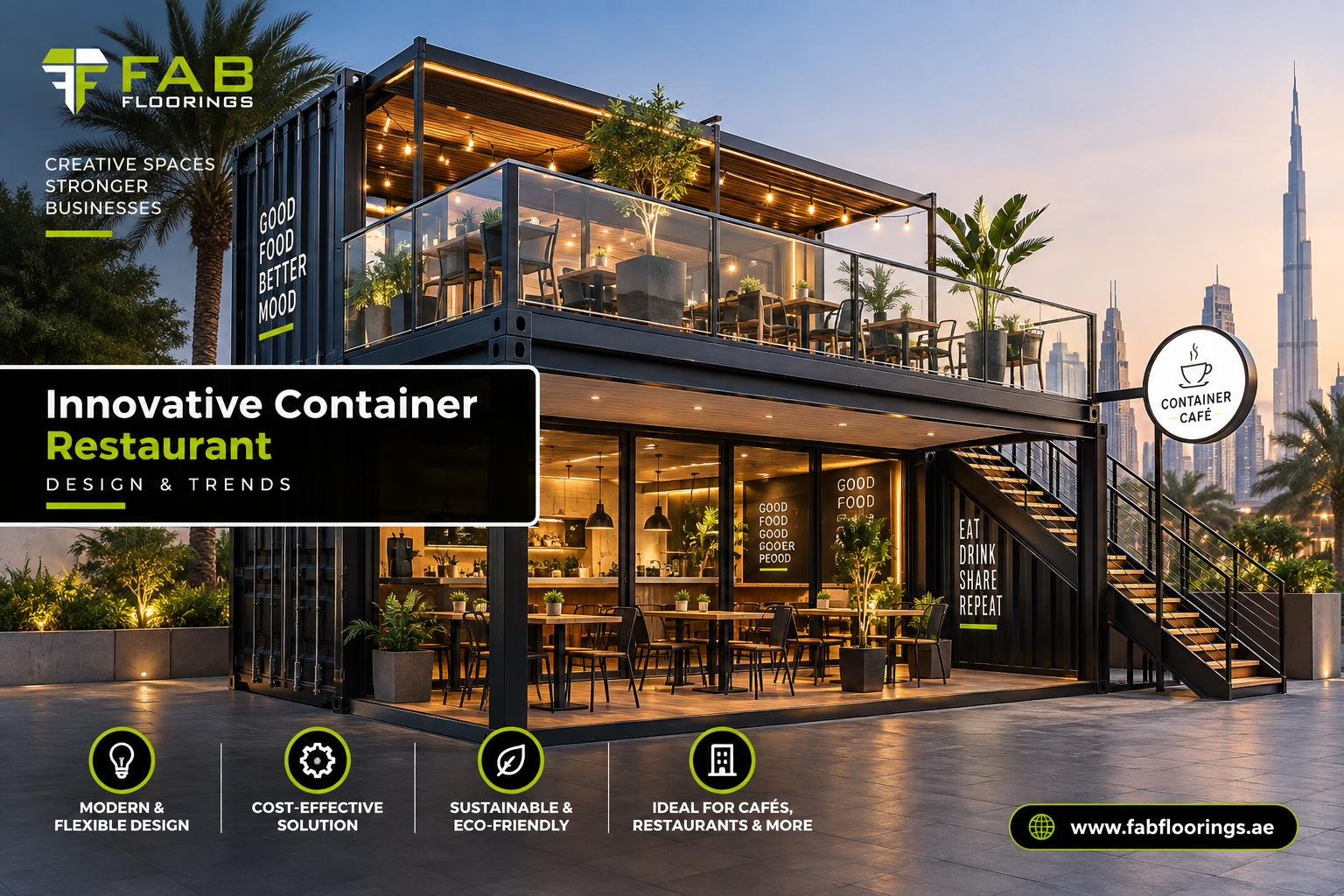
The restaurant industry is constantly evolving, and entrepreneurs are looking for creative ways to build attractive dining spaces without the complexity of conventional construction. Container restaurants have emerged as an innovative solution, transforming shipping containers into functional cafes, restaurants, takeaway outlets, and food-service spaces.
Combining modern design, efficient space planning, and flexible construction, container restaurants offer a distinctive alternative for businesses looking to create a memorable dining experience.
What Is a Container Restaurant?
A container restaurant is a commercial food and dining space created by converting one or more shipping containers into a functional establishment. The containers can be modified with doors, windows, insulation, electrical systems, plumbing, kitchen equipment, lighting, flooring, and customized interiors.
Depending on the business concept, a single container can be converted into a compact takeaway outlet, while multiple containers can be combined to create a larger restaurant with kitchen, dining, storage, and service areas.
Why Are Container Restaurants Becoming Popular?
1. Faster Construction
The basic structural framework of a shipping container is already available. This can reduce some of the structural work associated with conventional construction and allow several modifications to be completed off-site.
The overall project timeline still depends on design, approvals, utilities, site preparation, and customization, but container-based construction can offer an efficient route to creating a new food outlet.
2. Flexible and Modular Design
Containers provide a modular approach to restaurant development. Businesses can use one container initially and add additional units as the operation grows.
This flexibility makes container restaurants suitable for cafes, food courts, pop-up dining spaces, takeaway outlets, event venues, and hospitality projects.
3. Distinctive Visual Appeal
The industrial appearance of shipping containers can become part of the restaurant's identity. Large windows, bold signage, custom paintwork, exterior lighting, greenery, wooden finishes, and contemporary interiors can transform a basic container into an eye-catching dining destination.
A well-designed exterior can also help businesses create a recognizable brand presence.
4. Efficient Use of Space
Container restaurants require careful planning because usable space is limited. Designers can use compact kitchen equipment, multifunctional furniture, vertical storage, and carefully planned service areas to improve workflow.
The objective should be to create a comfortable customer experience while maintaining efficient movement for kitchen and service staff.
Key Elements of Container Restaurant Design
A successful container restaurant requires more than an attractive exterior. Several technical and design elements need to be considered.
Insulation and Climate Control
Metal containers can become extremely hot when exposed to direct sunlight. Proper insulation, ventilation, air conditioning, and suitable interior finishes are therefore important, particularly in hot climates such as the UAE.
Kitchen Planning
The kitchen should be designed around the menu, cooking equipment, storage requirements, ventilation, food preparation areas, and staff movement.
Flooring
Restaurant flooring should be selected for durability, safety, cleaning requirements, and expected foot traffic. Areas around food preparation and service counters may require flooring with suitable slip resistance and easy maintenance.
Lighting
A combination of functional and decorative lighting can improve both the working environment and customer experience. Exterior lighting can also make a container restaurant more visible during evening hours.
Outdoor Seating
Outdoor seating can significantly increase the usable customer area. Decking, shade structures, landscaping, and comfortable furniture can help connect the container structure with its surrounding environment.
Are Container Restaurants Sustainable?
One of the key attractions of container-based construction is the opportunity to repurpose existing shipping containers. Instead of using the container only for its original transportation purpose, it can be modified and integrated into a new commercial space.
However, sustainability depends on the complete project. Insulation, energy consumption, materials, transportation, equipment, and the condition of the container should all be considered when evaluating the environmental benefits.
Container Restaurants in the UAE
The concept can be particularly interesting for UAE businesses looking for distinctive food-service spaces. However, local requirements should be considered before starting a project.
Depending on the location and project type, businesses may need to address planning permissions, food-safety requirements, electrical and plumbing standards, fire-safety provisions, ventilation, waste management, and other applicable regulations.
Professional planning helps ensure that the container is not only visually attractive but also suitable for daily restaurant operations.
Container Restaurant vs Traditional Restaurant
| Feature | Container Restaurant | Traditional Restaurant |
|---|---|---|
| Construction approach | Modular conversion | Conventional construction |
| Design flexibility | High | High |
| Setup potential | Often faster | Usually more extensive |
| Mobility | Possible depending on design | Generally fixed |
| Space | Compact and efficient | More flexible |
| Appearance | Industrial and modern | Wide range of styles |
| Expansion | Additional containers can be considered | Requires additional construction |
The better option depends on the site, budget, business model, customer capacity, and regulatory requirements.
How to Plan a Container Restaurant
Before starting a container restaurant project, consider:
- Restaurant concept and target customers
- Required kitchen and dining space
- Number and size of containers
- Site access and placement
- Insulation and climate control
- Plumbing and electrical requirements
- Kitchen ventilation
- Flooring and interior finishes
- Customer seating
- Branding and exterior design
- Local permits and regulations
- Future expansion requirements
A detailed plan can help prevent expensive changes after fabrication or installation has started.
The Future of Container Restaurants
Container restaurants represent the combination of modular construction and modern hospitality design. Their compact format, customizable appearance, and potential for phased expansion make them an interesting option for entrepreneurs, cafes, food-service operators, and event businesses.
As restaurant concepts become more experience-focused, container-based spaces can provide businesses with a distinctive physical identity while allowing designers to experiment with layouts, materials, lighting, and outdoor environments.
Conclusion
Container restaurants offer a creative approach to modern food-service design. By combining customized interiors, efficient layouts, climate control, functional kitchens, attractive branding, and carefully selected materials, shipping containers can be transformed into practical and memorable dining spaces.
The key to a successful project is not simply using a shipping container but designing the entire space around customer comfort, operational efficiency, safety, durability, and local requirements.